ecojustice
and an estuary at risk

Swarms of living creatures will live wherever the river flows.
– Ezekiel 47:9a
Voices From the Estuary
Voices from the Estuary is a grassroots initiative to connect, support, and organize a diverse group of people in the region in light of current industrial pressures the estuary is facing. What wisdom might guide us if we listen deeply to the land at this time?
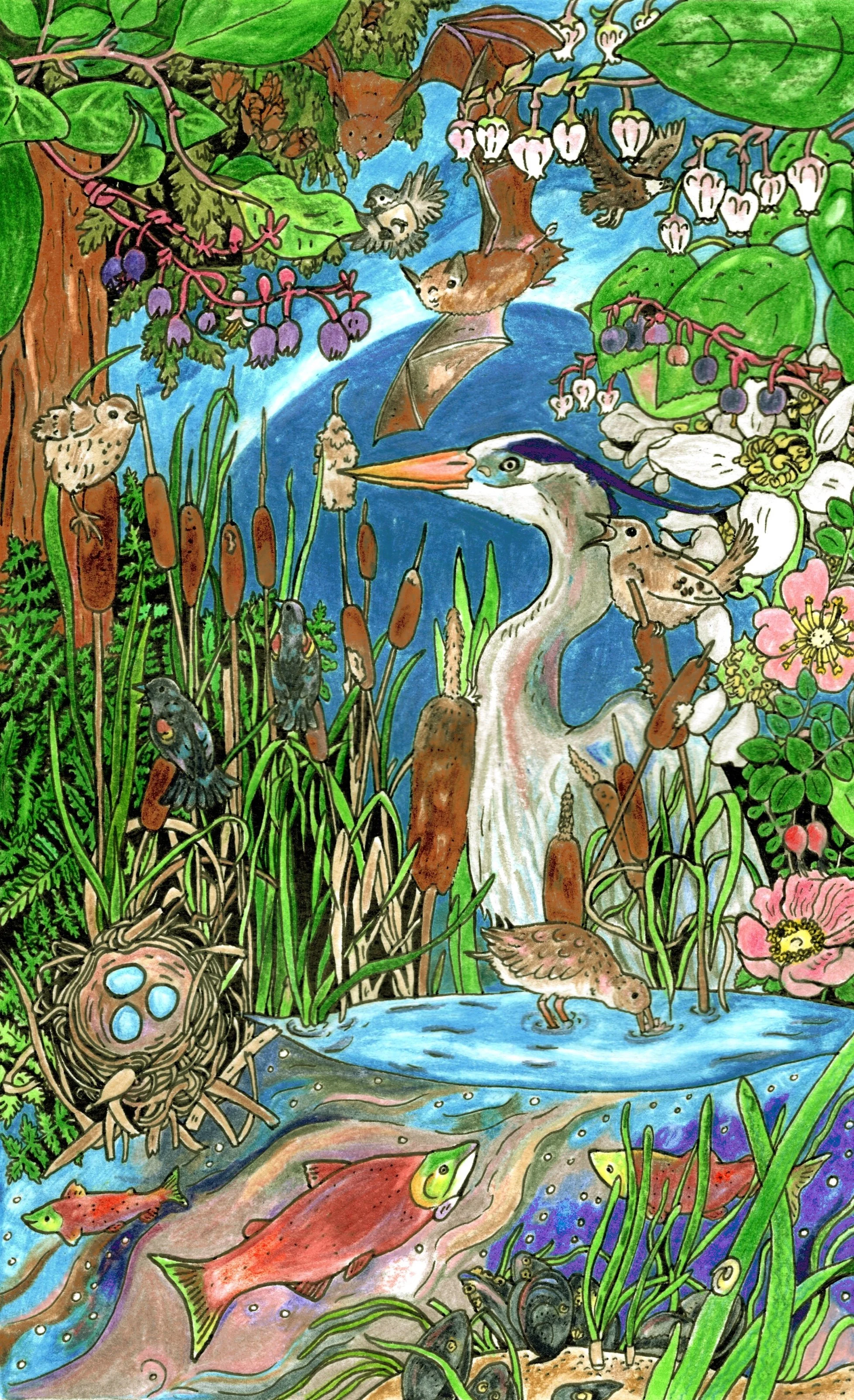
Image Credit
Fraser River Watershed commission for Estuary Church by Sarah Holst
Currently, the Fraser River Estuary is facing three major industrial projects that will affect this special and yet fragile ecosystem.
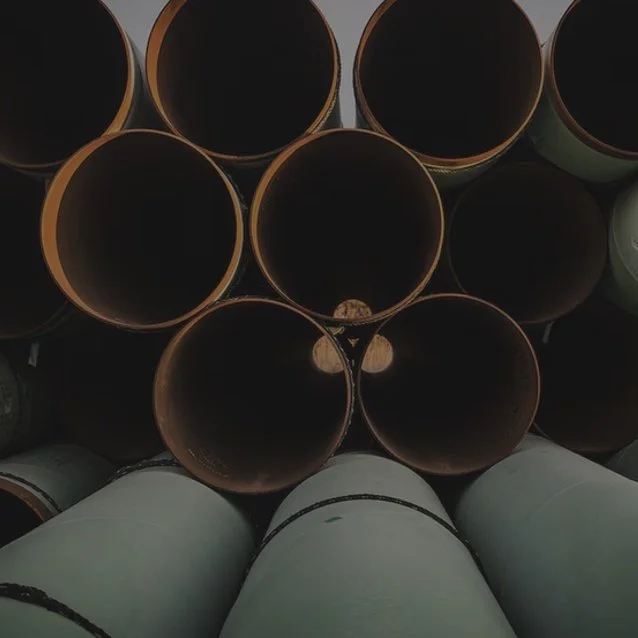
WEST COAST OIL PIPELINE
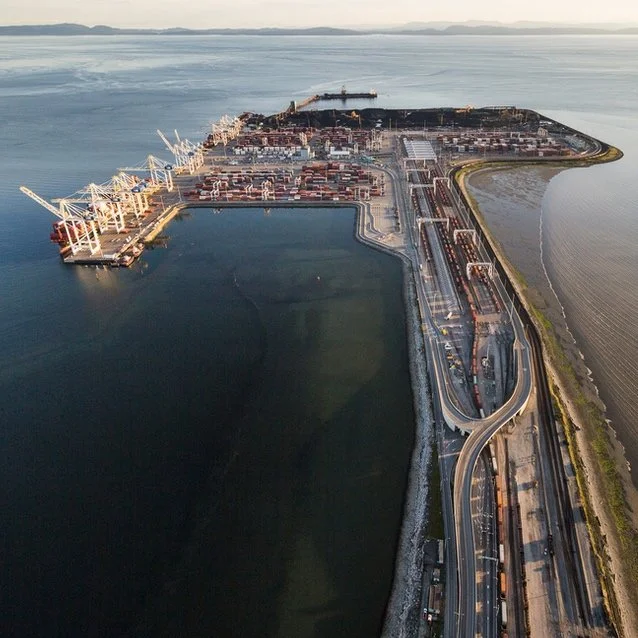
ROBERTS BANK
TERMINAL 2
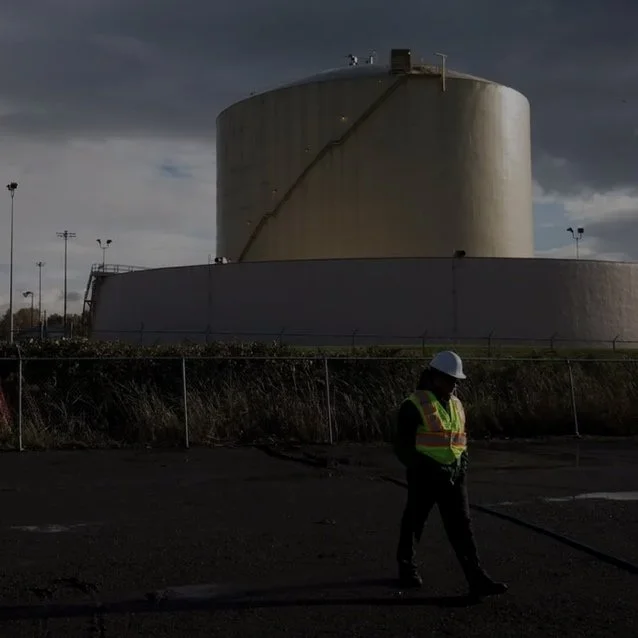
FORTIS BC
TILBURY LNG EXPANSION
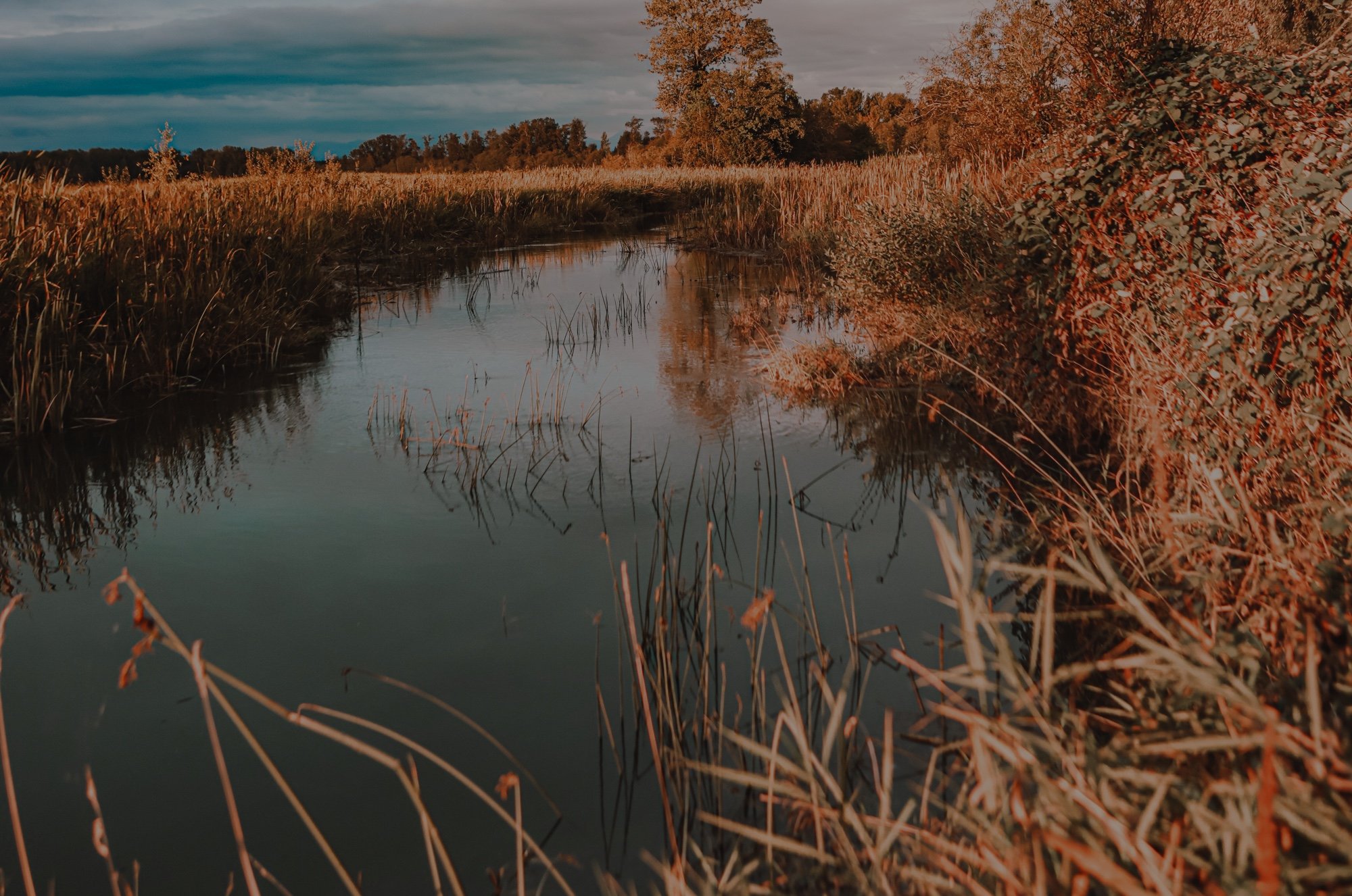
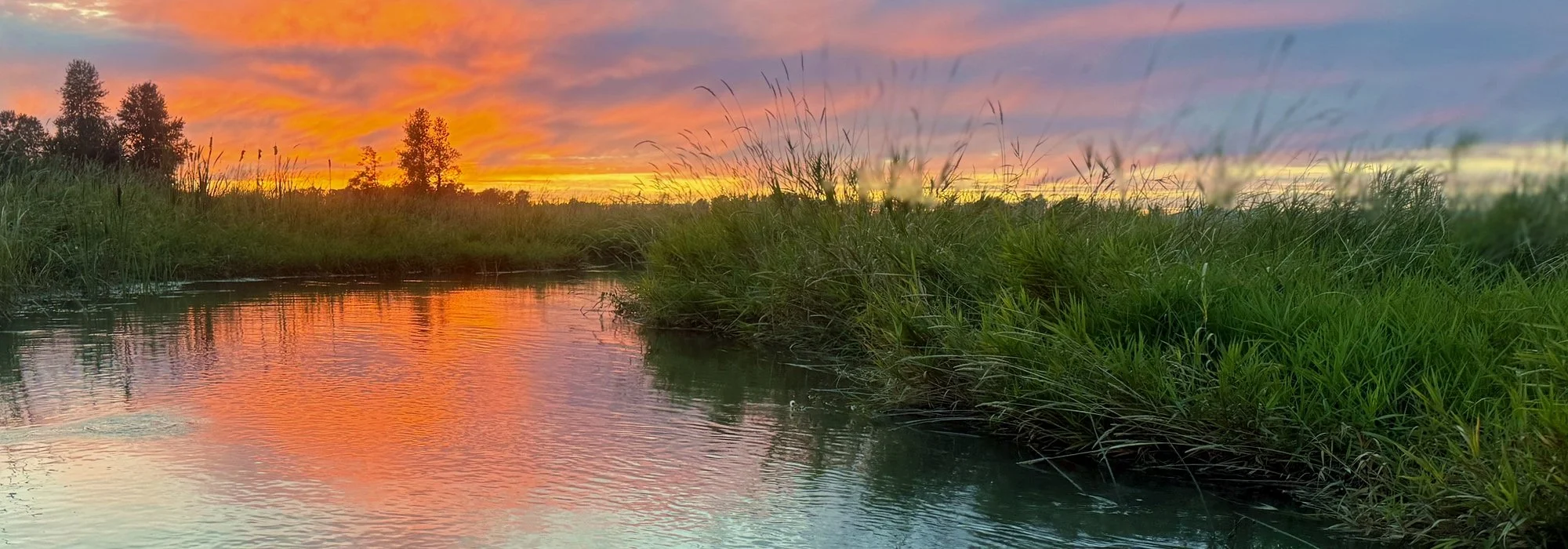
A Special Ecosystem
The estuary has been of tremendous cultural and spiritual significance for Indigenous communities since time immemorial. It is a precious ecosystem of global importance.
The estuary is the gateway to one of the largest salmon bearing rivers in the world.
It supports the highest concentration of migratory birds in Canada (250,000 migrating and wintering waterfowl) and is a globally recognised stopover for shorebirds (1 million +).
It is largest estuary on the Pacific Coast of North America.
It is one of Canada’s most diverse and productive ecosystems.
The estuary is where juvenile Chinook, chum, and pink salmon find food, sanctuary, and grow while acclimatising to salt water and gaining strength before heading into the ocean.
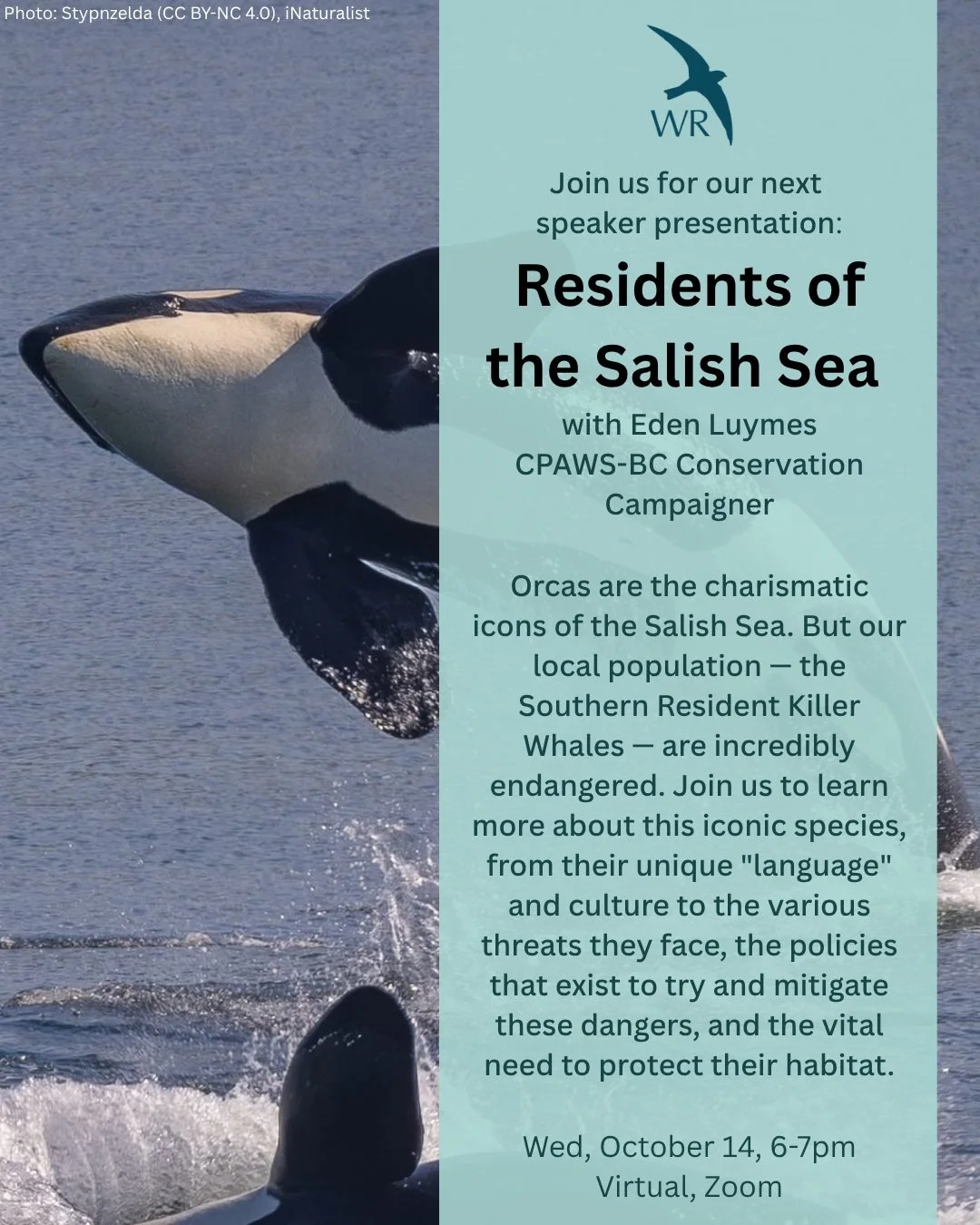
The river sends a plume of water into the Salish Sea where endangered Southern Resident killer whales hunt for their main food source – adult Chinook salmon.
The estuary is an important rearing ground for over 300 species of invertebrates of over 80 species of fish and shellfish.
The delta estuary produces some of the most fertile land for agriculture.
A Vulnerable Time
Less than 30% of the Estuary remains intact and what does remain will be affected by the proposed industrial projects.
The Estuary is home to 102 species that are at risk for extinction.
The 2020 federal assessment of RBT2 concluded the expansion’s impact on wetland function, Chinook and chum salmon and southern resident killer whales “is high in magnitude, permanent and irreversible.”
The estuarine mudflats by Roberts Bank produce a nutrient rich biofilm that the entire global population of western sandpipers relies on for fuel as they migrate between Peru and Alaska. Humans have been unsuccessful at recreating this naturally occurring biofilm.
The ForitsBC Tilbury LNG facility expansion will increase tanker traffic in the south arm of the river, an increasingly busy shipping corridor. The West Coast Pipeline will bring large crude oil carriers, capable of carrying 2.2 million barrels of oil to the mouth of the river. Vessel traffic is known to negatively affect the Southern Resident killer whale population (75 remain).
The ForitsBC Tilbury LNG facility expansion would see the building of a marine jetty that would require heavy construction and dredging in the riverbed, which could disrupt habit and food webs that are critical for juvenile salmon.
PACIFIC LINK PIPELINE
On October 1, 2026 the federal government announced the Pacific Link Pipeline has been designated a “project of national interest” (PONI). The pipeline would bring up to 1 million barrels of crude oil a day from Alberta to Roberts Bank in the Fraser River Estuary where they would be loaded onto oil tankers for export. The newly proposed marine deep water terminal at Roberts Bank would have a holding tank area, roughly the size of Central Park, that would hold containers of diluted bitumen (crude oil) that could potentially leak into the estuary. As a “project of national interest” the pipeline will be fast-tracked and possibly allowed to bypass normal reviews, including environmental assessments, that would calculate the project’s risks.
What you can do
Contact your local representatives and government officials. Despite the Pacific Link Pipeline being the first project to receive Project of National Interest status, you can still contact your MLA and the Minister of DFO at DFO.Minister-Ministre.MPO@dfo-mpo.gc.ca to voice your opinion.
Attend a local event. Check this page for upcoming events and links to previous event recordings.
Georgia Straight Alliance webinar from September 16, 2026
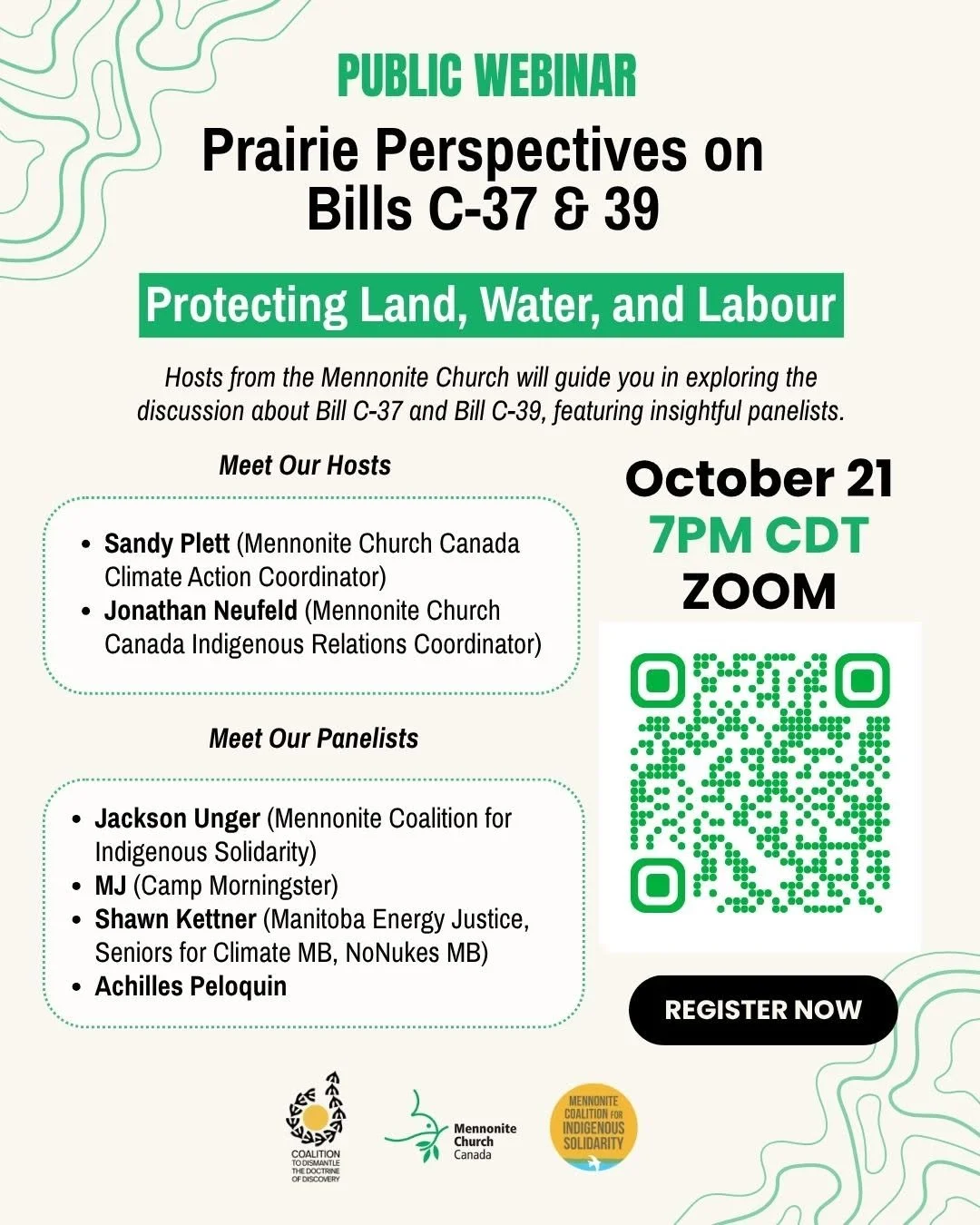
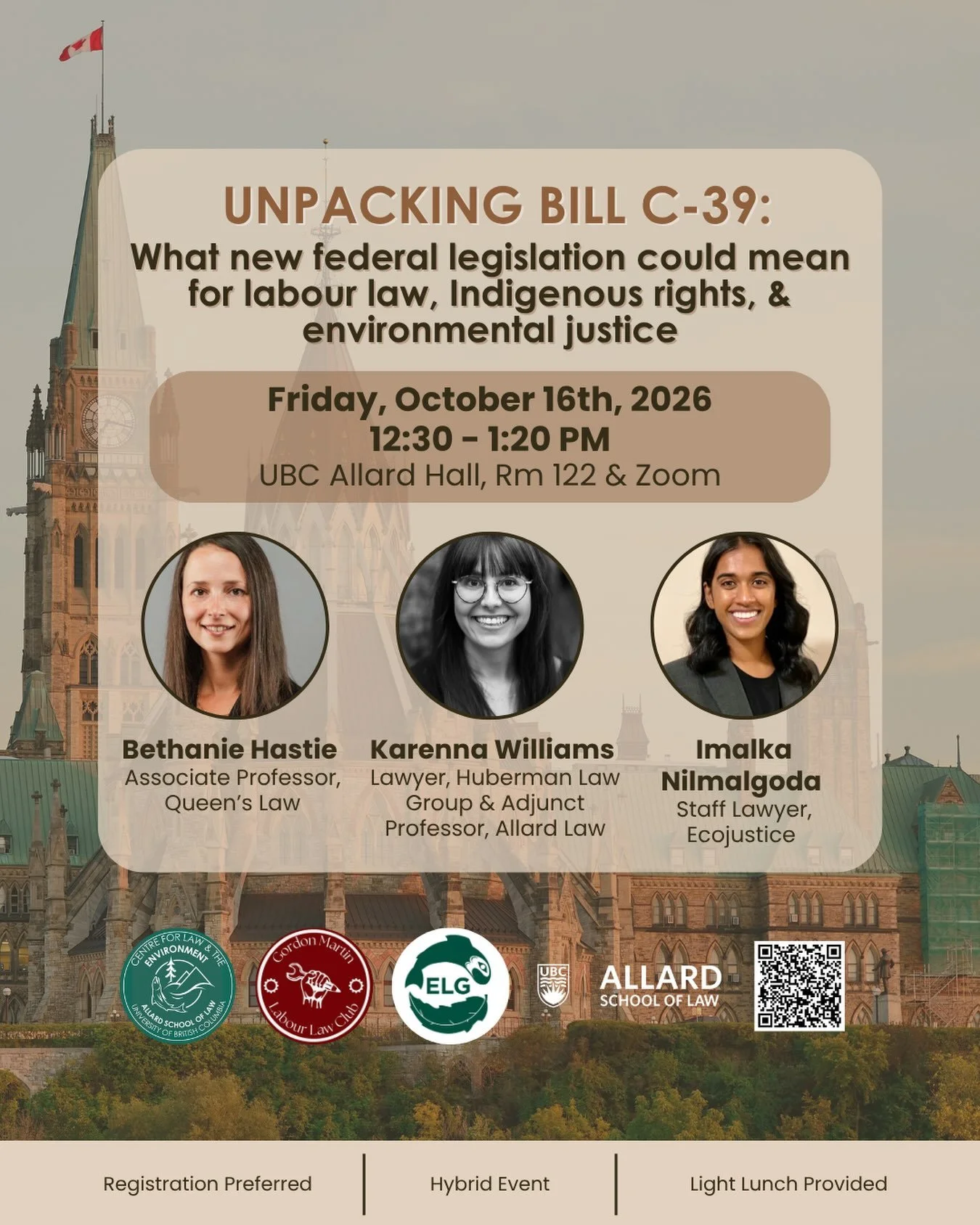
Learn More. There are many articles and emerging about the ramifications of the federal government’s unprecedented consolidation of power under the Building Canada Act (Bill-C5) the Build Canada Strong Act (Bill C-39)
The Canadian government approved the mega-port expansion in early 2023 despite a legal challenge levied by a group of environmental organizations that claimed Canada breached the Species At Risk Act when green-lighting the project. The Robert’s Bank Terminal 2 (RBT2) expansion will create a new artificial island converting a section of estuary the size of 330 football fields into an artificial island. On August 29, 2026, the federal government announced its intent to fast-track the project in response to the trade war with the United States. The RBT2 project is still securing the environmental permits it’s conditional approval is based on, but if it is granted national-interest status, the government could bypass them.
ROBERTS BANK TERMINAL EXPANSION
What you can do
Contact your local representatives and government officials. Despite the deadline of October 1, 2026 passing to submit public comments on the fast-tracking of RBT2, you can still contact your MLA and the Minister of DFO at DFO.Minister-Ministre.MPO@dfo-mpo.gc.ca to voice your opinion.
Learn More. There are many articles and even a beautiful documentary about RBT2 and it’s potential impact on the estuary.

FORTIS BC TILBURY LNG EXPANSION
In July 2026, an order signed by Minister of Energy and Climate Solutions Adrian Dix exempted expansion Phase 1B which includes the addition of a marine jetty to the site, from an independent assessment. The Phase 2 expansion will allow the facility to produce 3.4 tonnes of LNG per year, create a LNG storage tank with the capacity of 57 Olympic swimming pools, and would include a ground flare to burn off excess methane gas that would release nitrogen dioxide into the air.
What you can do
Contact your local representatives. Despite a comment period that garnered over 600 people against the project (mostly citing environmental and human health concerns) and only 11 in favour, the provincial and federal government approved the Tilbury Phase 2 LNG Expansion Project on September 21, 2026.
You can talk to your local MLA or email them with your comments regarding this approval.
Learn More.


This guide is by no means exhaustive. If you would like to see particular resources or perspectives added, let us know.

Seeking Creation’s Peace
“Environmental justice – implicitly proclaimed by the prophets – can no longer be regarded as an abstract concept or a distant goal. It is an urgent need that involves much more than simply protecting the environment. For it is a matter of justice – social, economic and human. For believers it is also a duty born of faith, since the universe reflects the face of Jesus Christ, in whom all things were created and redeemed."
- Pope Leo XIV
from his Message for the World Day of Prayer
for the Care of Creation 2025